
Introduction
In modern manufacturing, efficiency is not just a goal, it is a necessity. Businesses that want to stay competitive must ensure their production systems are optimized from start to finish. One of the most critical aspects of this optimization is packaging plant layout design. A well-structured layout directly impacts productivity, cost control, and operational efficiency.
A properly planned packaging plant layout design ensures smooth material flow, reduces unnecessary movement, and maximizes the use of available space. Whether you are setting up a new facility or upgrading an existing one, investing in layout planning can significantly improve your overall performance. With the integration of modern technologies and turnkey packaging solutions, businesses can now achieve highly efficient and scalable production systems.
What is Packaging Plant Layout Design?
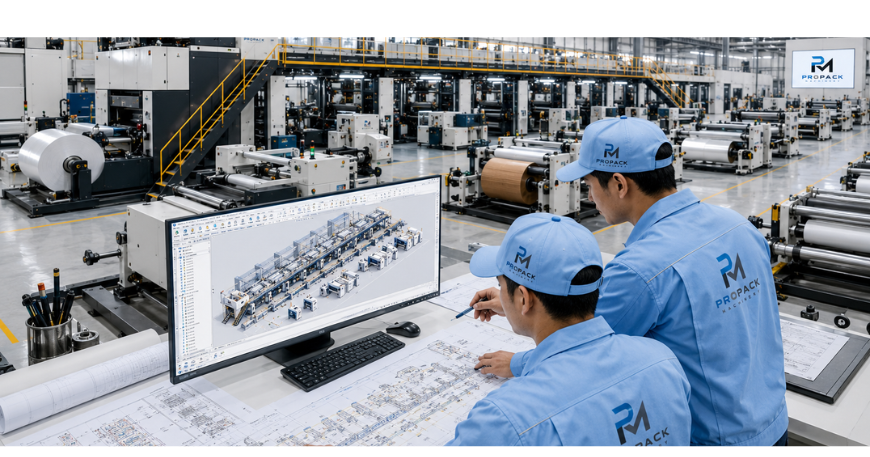
Packaging plant layout design refers to the strategic arrangement of machines, workstations, storage areas, and workflow within a packaging facility. The main objective is to create a system where production processes move efficiently from one stage to another.
This includes planning the placement of equipment, defining movement paths, and ensuring proper coordination between different stages of production. A well-organized system not only improves efficiency but also reduces errors and downtime. Many companies today combine layout planning with turnkey packaging solutions to ensure a seamless setup from design to execution.
Importance of Packaging Plant Layout Design
Improved Workflow
An effective packaging plant layout design ensures that materials move smoothly through the production line. This minimizes delays and eliminates bottlenecks.
Better Space Utilization
A smart packaging factory layout helps businesses make the most of their available space without overcrowding or inefficiencies.
Cost Reduction
Optimized layout planning reduces material handling costs, labor expenses, and energy consumption.
Enhanced Safety
A properly designed layout includes clear pathways and organized workstations, reducing workplace risks.
Future Scalability
A flexible production line layout design allows businesses to expand operations without major disruptions.
Key Elements of Packaging Plant Layout Design
Workflow Planning
The foundation of any efficient system lies in its workflow. A good packaging plant layout design ensures a logical sequence from raw materials to finished products.
Machinery Placement
Machines should be placed according to the production sequence to avoid unnecessary movement.
Storage and Inventory
Proper placement of storage areas improves accessibility and reduces handling time.
Space Optimization
Efficient use of space is essential in layout design packaging, especially for high-volume production facilities.
Integration with Turnkey Solutions
Modern turnkey packaging lines integrate layout planning with machinery and installation, ensuring smooth operations.
Types of Layout Designs in Packaging Plants
Product-Based Layout
In this type, machines are arranged in a sequence based on the production process. It is ideal for continuous production.
Process-Based Layout
Machines are grouped by function, providing flexibility for different products.
Hybrid Layout
A combination of both approaches, offering efficiency and adaptability.
Choosing the right type of packaging plant layout design depends on production requirements and business goals.
Role of Turnkey Packaging Solutions in Layout Design
The integration of turnkey packaging solutions has transformed how layout planning is executed. Instead of handling multiple vendors, businesses now rely on a single provider to manage the entire setup.
By combining packaging plant layout design with turnkey systems, companies can achieve:
• Faster project completion
• Better system integration
• Reduced coordination issues
This approach ensures that every component of the production line works together efficiently.
Common Mistakes in Layout Planning
Even experienced manufacturers can make mistakes when designing layouts. Some common issues include:
• Poor workflow planning
• Overcrowded machinery placement
• Ignoring future expansion
• Lack of safety considerations
Avoiding these mistakes is essential for achieving an effective production line layout.
How to Optimize Packaging Plant Layout Design
Understand Production Needs
Analyze product type, volume, and workflow requirements before planning.
Use Advanced Tools
Modern software helps simulate and improve packaging plant layout design accuracy.
Focus on Automation
Automation reduces manual work and increases efficiency.
Plan for Growth
A scalable layout ensures long-term success and adaptability.
Benefits of an Efficient Packaging Layout
An optimized packaging plant layout design offers multiple benefits:
• Increased productivity
• Reduced downtime
• Better resource utilization
• Improved product quality
These advantages make layout planning a key investment for any manufacturing business.
Future Trends in Layout Design
The future of packaging plant layout design is driven by innovation. Emerging trends include:
• Smart factories with IoT integration
• AI-based production line optimization
• Energy-efficient systems
• Fully automated packaging lines
Businesses adopting these technologies will gain a strong competitive advantage.
Conclusion
In conclusion, packaging plant layout design plays a crucial role in ensuring efficient and productive manufacturing operations. From workflow planning to machinery placement, every element contributes to overall performance.
By integrating turnkey packaging solutions and focusing on smart planning, businesses can create optimized production environments. A well-designed layout not only improves efficiency but also supports long-term growth and scalability. Investing in the right layout strategy ensures better productivity, reduced costs, and a strong competitive position in the market.
FAQs – Packaging Plant Layout Design
- What is packaging plant layout design?
It is the arrangement of machines and workflow in a packaging facility. - Why is layout design important?
It improves efficiency, reduces costs, and enhances productivity. - Can layout design be customized?
Yes, it can be tailored to specific production needs. - What industries use layout design?
Food, pharma, FMCG, and manufacturing industries. - How do turnkey solutions help?
They provide complete setup including design, machinery, and installation. - What is a production line layout?
It is the arrangement of machines in a sequence for production. - Can existing layouts be improved?
Yes, optimization can enhance performance. - What tools are used in layout design?
Simulation and planning software. - How long does layout planning take?
It depends on project size and complexity. - Is layout design cost-effective?
Yes, it reduces operational costs in the long run.